
Hypoxemia occurs when levels of oxygen in the blood are lower than normal. If blood oxygen levels are too low, your body may not work properly. Blood carries oxygen to the cells throughout your body to keep them healthy. Hypoxemia can cause mild problems. The human body is roughly 60 percent water, so it cannot be understated how critical water. 2 days ago In many cases, low, critical oxygen levels could also lead to loss of consciousness, cause an inability to stay awake or even get up, apart from the above-listed critical warning signs of danger.
Low blood oxygen, known as hypoxemia, means that the level of oxygen in the blood has dropped below average, normal levels, due to one or more of many different causes. Under most circumstances, breathing room air, normal readings range from 95 to 100.
Low Oxygen Levele
Overview
What is hypoxemia?
Hypoxemia occurs when levels of oxygen in the blood are lower than normal. If blood oxygen levels are too low, your body may not work properly.
Blood carries oxygen to the cells throughout your body to keep them healthy. Hypoxemia can cause mild problems such as headaches and shortness of breath. In severe cases, it can interfere with heart and brain function. Hypoxemia that causes low oxygen levels in your body’s tissues is called hypoxia. Sometimes people use the two terms interchangeably, but they are not the same thing.
Symptoms and Causes
What causes hypoxemia?
A variety of conditions and circumstances can interfere with the body’s ability to deliver normal levels of oxygen to the blood. Some of the most common causes of hypoxemia include:
- Heart conditions, including heart defects
- Lung conditions such as asthma, emphysema, and bronchitis
- Locations of high altitudes, where oxygen in the air is lower
- Strong pain medications or other problems that slow breathing
- Sleep apnea (impaired breathing during sleep)
- Inflammation or scarring of the lung tissue (as in pulmonary fibrosis)
What are the symptoms of hypoxemia?
Symptoms of hypoxemia vary depending on the severity of the condition. They include:
- Shortness of breath
- Fast heartbeat
- Coughing
- Confusion
- Bluish color in skin, fingernails, and lips
Diagnosis and Tests
How do doctors diagnose hypoxemia?
To diagnose hypoxemia, your doctor will do a physical examination to listen to your heart and lungs. Abnormalities in these organs can be a sign of low blood oxygen. Your doctor may also check to see if your skin, lips, or fingernails look bluish.
Doctors use tests to check your oxygen levels, including:
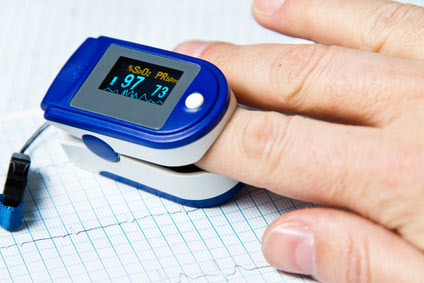
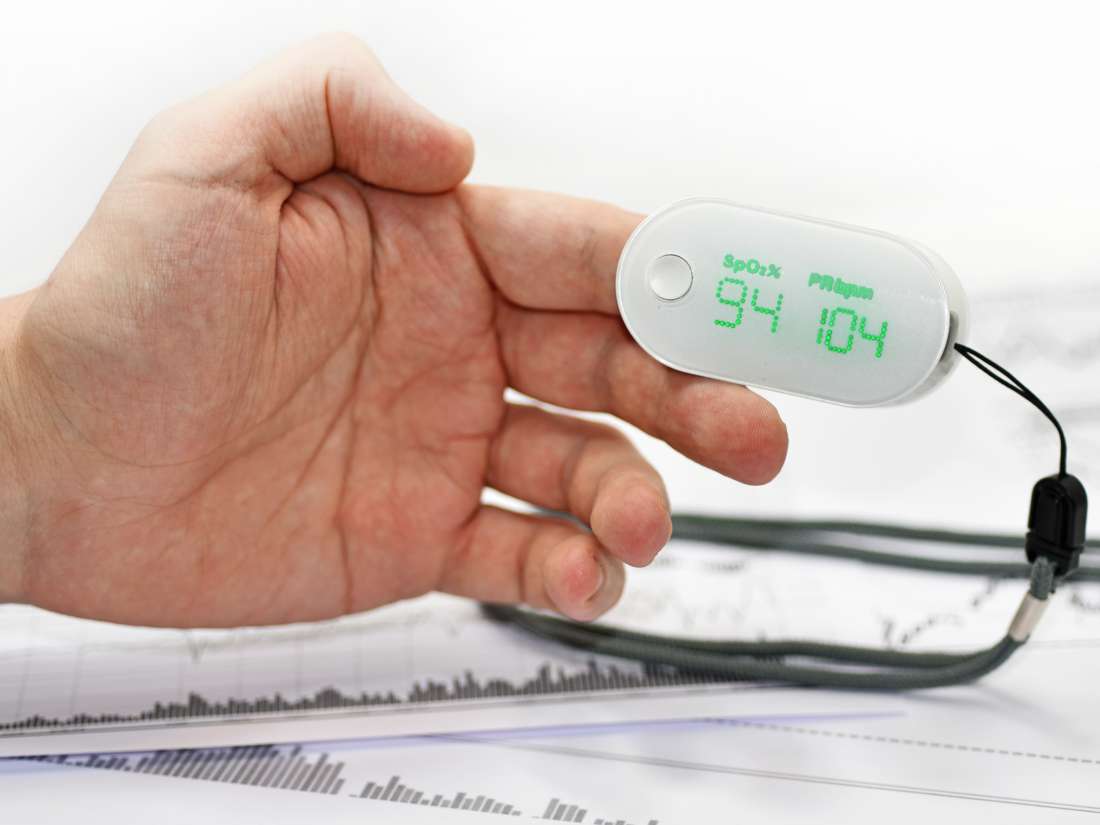
- Pulse oximetry: A sensor that slips over your finger measures the amount of oxygen in your blood. Pulse oximetry is painless and noninvasive. Many doctors use it routinely each time you visit.
- Arterial blood gas test: A needle is used to take a blood sample from your artery to measure the levels of oxygen in your blood.
- Other breathing tests: These might involve breathing into tubes that are connected to computers or other machines.
Management and Treatment
How do doctors treat hypoxemia?
Treatment for hypoxemia aims to raise the levels of oxygen in the blood. Doctors can use medications to treat underlying conditions that cause hypoxemia. These medications are often given through an inhaler that enables you to breathe the medicine into your lungs.
In more severe cases, your doctor may prescribe oxygen therapy. People typically receive extra oxygen through a device called a cannula (tube) that is clipped to the outside of the nose, or through a breathing mask. The location and amount of time people receive oxygen therapy is based on individual needs. You may receive oxygen at home, with a portable machine while you travel, or in the hospital.
What are the complications or side effects of hypoxemia?
If your blood does not have enough oxygen, it cannot deliver enough oxygen to the organs and tissues that need it. This situation can be fatal if severe in the short term and can affect the heart or brain if it persists over a long period of time.
Prevention
Can hypoxemia be prevented?
There are steps you can take to prevent hypoxemia from returning after treatment. To increase the oxygen levels in your blood, your doctor may recommend:
- Deep breathing exercises
- Mild exercise such as walking or yoga
- Eating a healthy diet
- Drinking plenty of water
- Quitting smoking
Outlook / Prognosis
What is the outlook for people with hypoxemia?
Low Oxygen Levels When I Sleep
Hypoxemia symptoms can go away with treatment. Depending on the cause, people with hypoxemia may require treatment once or on an ongoing basis. Your doctor will work with you to manage the condition so you can live an active, healthy life.
Living With
When should I call a doctor regarding hypoxemia?
Contact your doctor if you experience symptoms of hypoxemia. Early diagnosis and treatment can help ensure the condition does not get worse and cause dangerous complications.
New Delhi | Jagran Health Desk: COVID-19 cases are on a surge and how. Millions of people are getting affected by the deadly virus both physically and mentally. Therefore, in such a scenario many states and regions have imposed curfews and lockdown across the nation. This makes it even more important to take care of your health as this virus impacts your oxygen levels too. Yes, many are complaining about breathing difficulties as per their oxygen levels in the blood. Now, under what circumstances should one go and see a doctor? And what level of oxygen in blood can prove to be dangerous? Know it all from the expert:
Low Oxygen Level At Birth
Expert's opinion
According to Onlymyhealth.com, doctor Gunjan Mittal says that not every patient infected with COVID-19 is required to be admitted to the hospital. In case you happen to be corona positive and the oxygen level in your blood is good, then the doctor advises you to practice self-quarantine at home. Meanwhile, if the oxygen level in your blood decreases, then it is mandatory for a person to get immediate treatment in the hospital. As per the expert, the level of oxygen in the blood should be 95 or more. But level below 95 can be alarming.
Get an oximeter
If you have been infected with COVID-19 virus then make sure to have an oximeter at home that will help you keep a track of your oxygen levels in blood. An oximeter is a device that gets clipped to your finder tip and can measure the level of oxygen present in your blood which will be indicated on a mini digital screen present on the device. This is not just used in hospitals, but also a lot of people are buying one for their homes to examine themselves.
Things to keep in mind
Low Oxygen Levels In Elderly
- If you are COVID-19 positive, then get an oximeter to keep a check on the level of oxygen in your blood.
- If your oxygen level in the blood is below 95, immediately see a doctor.
- Also, try and avoid home remedies and other internet hacks to increase oxygen levels. It's the time to get yourself checked and to get treated.
- Incase if you are experiencing symptoms of COVID-19, undergo a test as soon as possible and also get oxygen levels checked as well.
Symptom Oxygen Low Pulse High
Credits: Onlymyhealth.com
Posted By: Sanyukta Baijal
Related Topics:
+View All